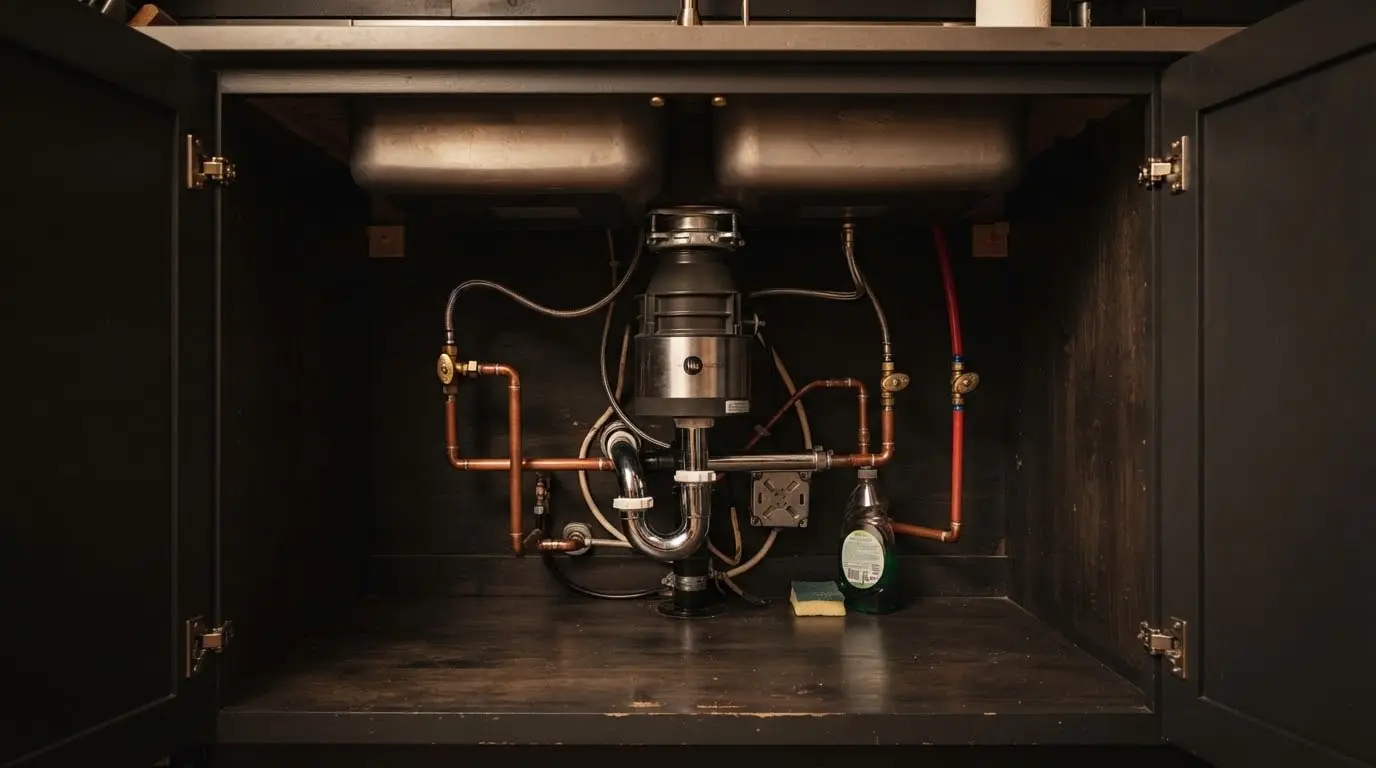
Leak, Backup or No Hot Water in Mesa?
A warm spot on the tile usually means a hot line leaking under the slab. A licensed, insured Mesa plumber finds it before any concrete gets broken.
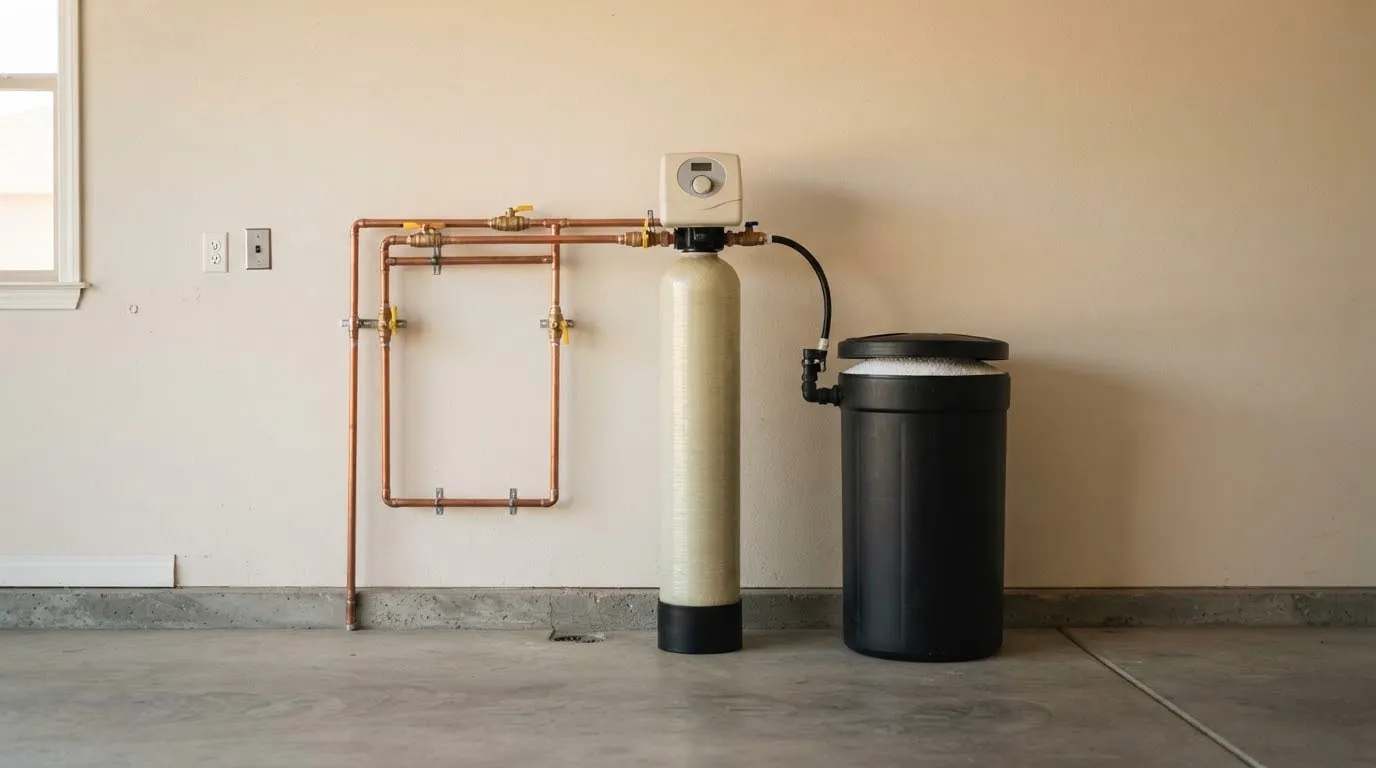
Before you call
Getting ready for the call
If water is running, close the main shutoff before anything else, then call. Not sure where yours is? The emergency plumbing page shows where it usually sits and how to close it.
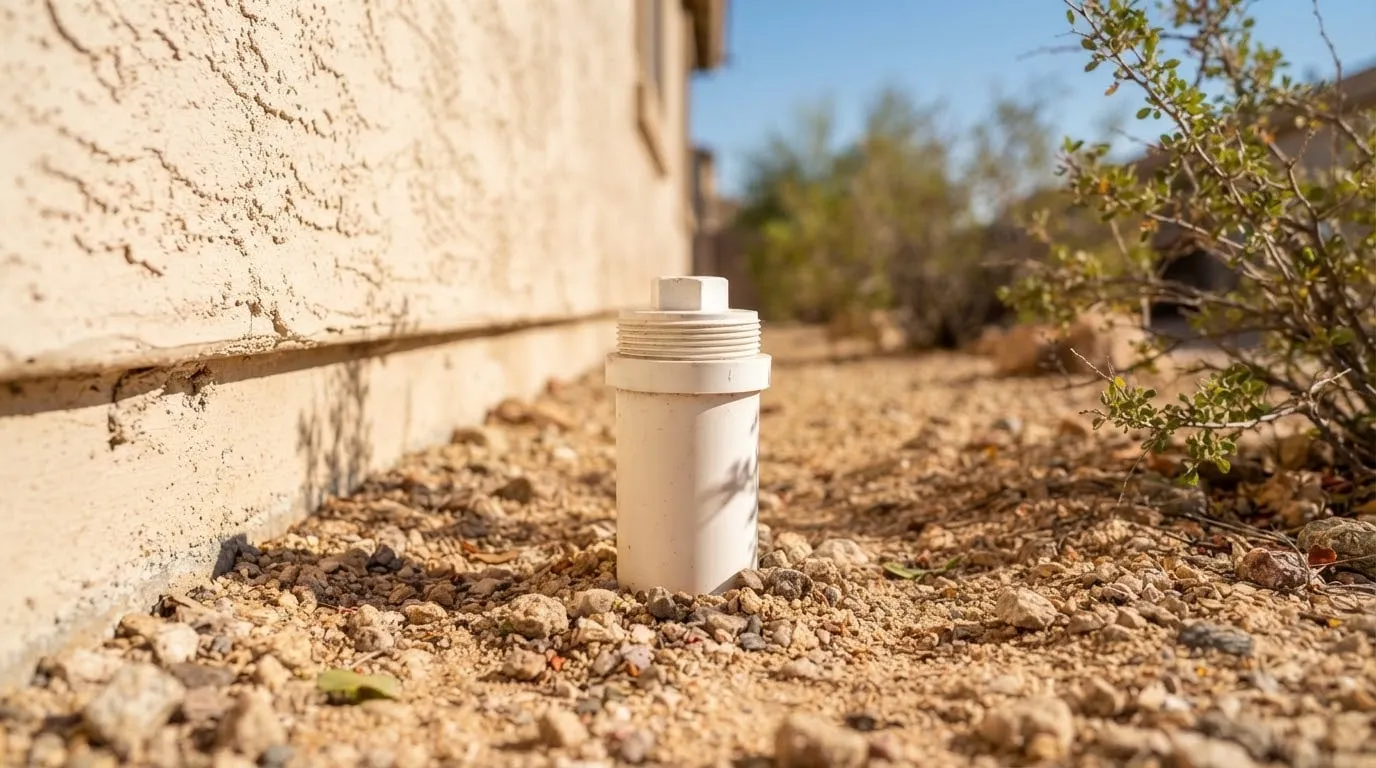
- Where it shows upThe room, the wall, the ceiling or the spot in the yard.
- The year the house was builtIt hints at copper under the slab, polybutylene or PEX.
- The label on the tankGas or electric, gallons and the date code.
- What's already been triedA snake last month, a valve closed, a toilet shut off.
Services
Picking the plumbing job you need
Every job below goes to a licensed, insured plumber who works the East Valley. Pick the closest match, or call and describe what you're seeing.
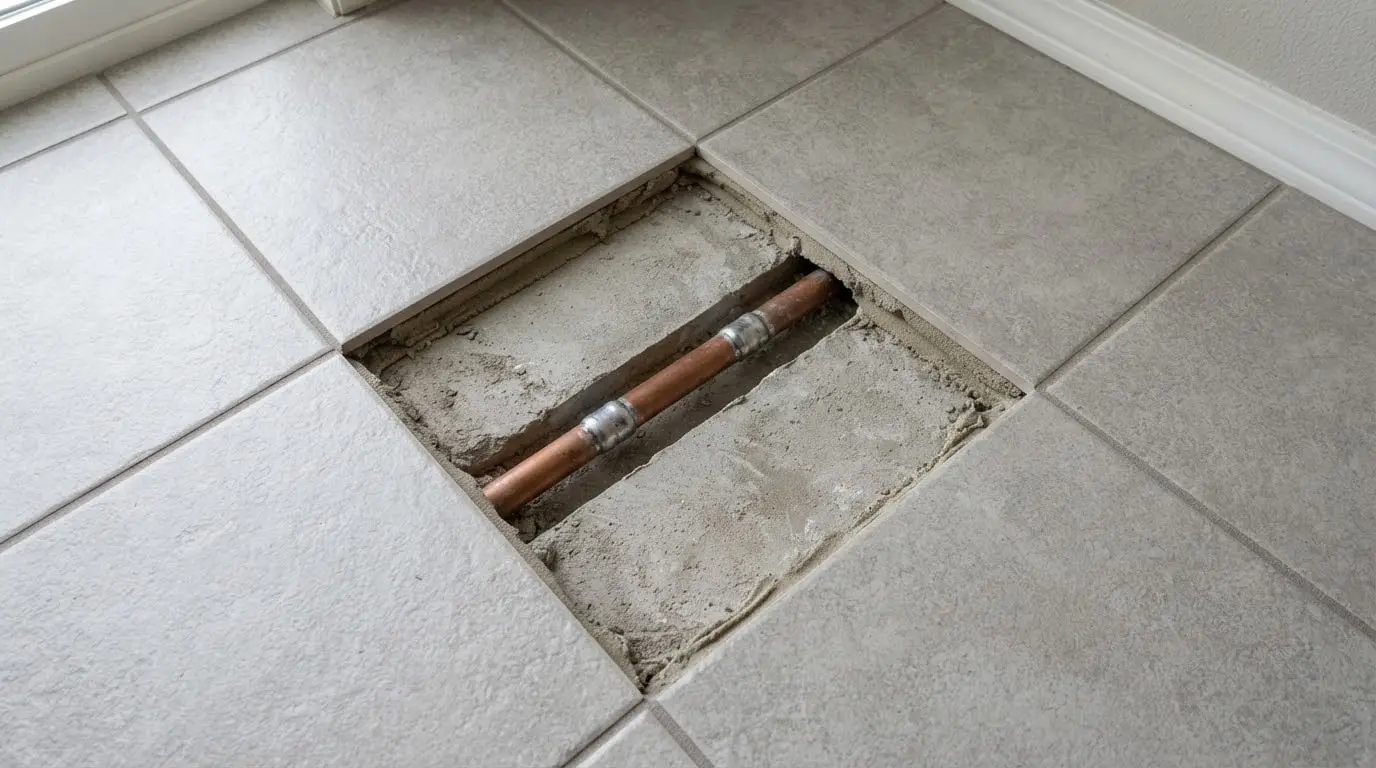
Slab leak repair
Warm tile, a meter dial that keeps turning with every tap off, a bill that jumped. The leak gets pinned down first, then fixed through the floor or rerouted around it.
Whole-house repiping
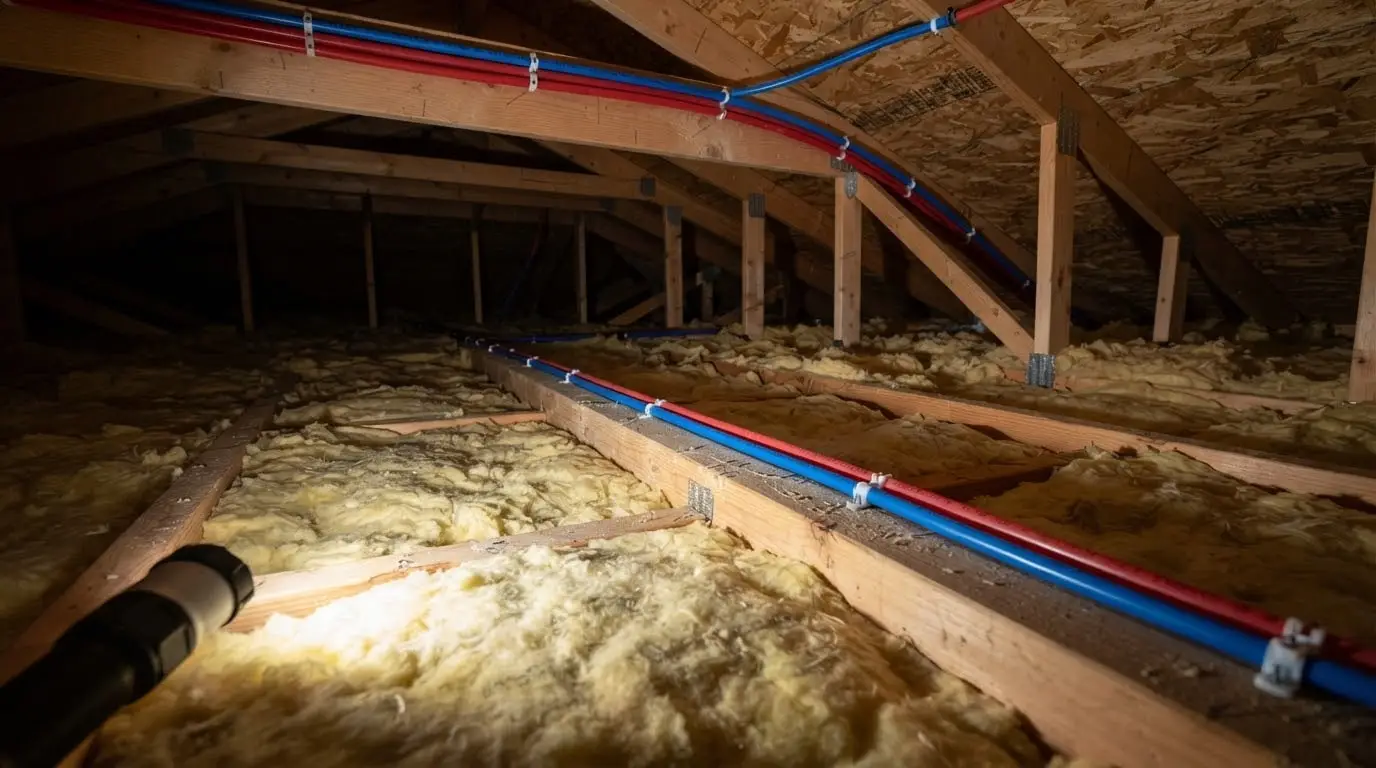
For a second or third slab leak, or a house still on polybutylene or Kitec. New lines run through the attic and walls, and the slab stays closed.
Water heater repair and replacement
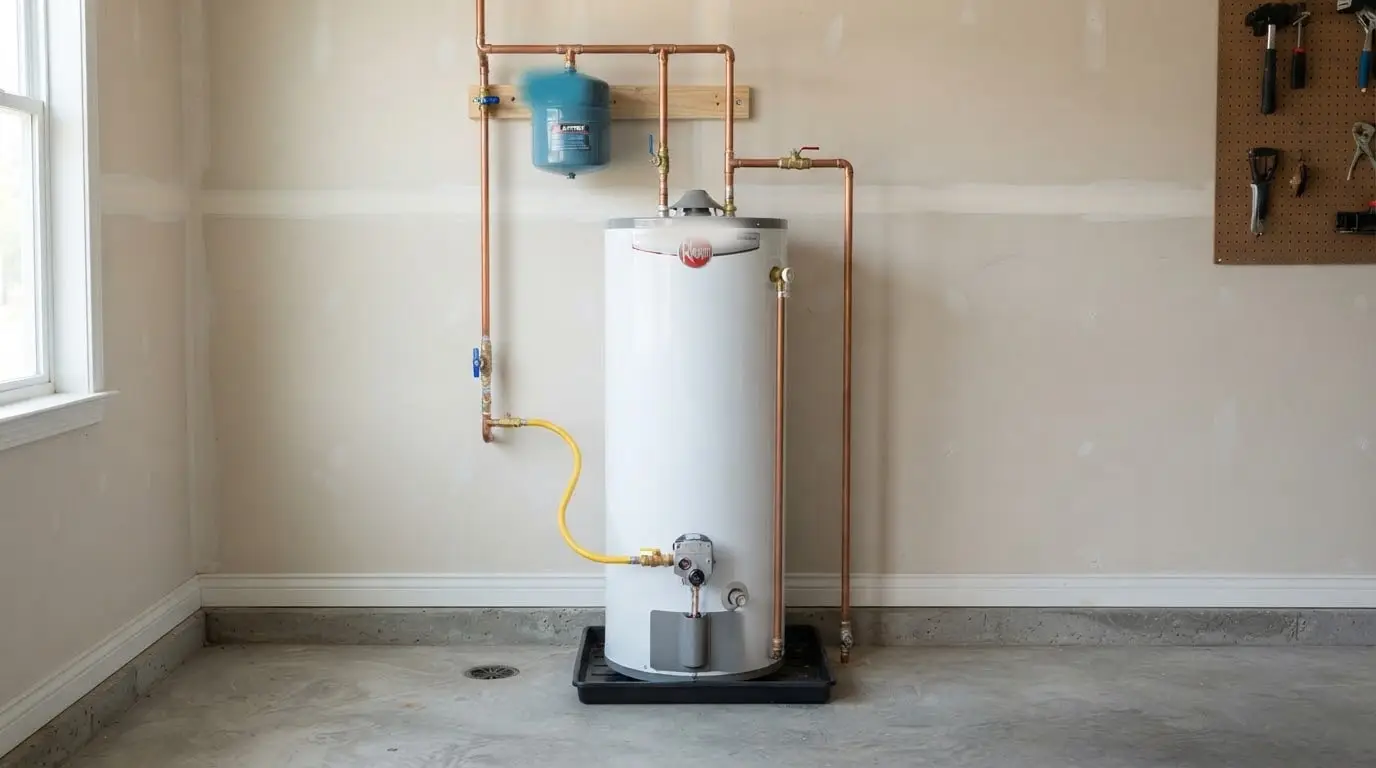
Rumbling, rusty hot water, a drip from the bottom of the tank. Scale is the usual reason tanks here give out early, and some of it can be flushed.
Sewer camera inspection and repair
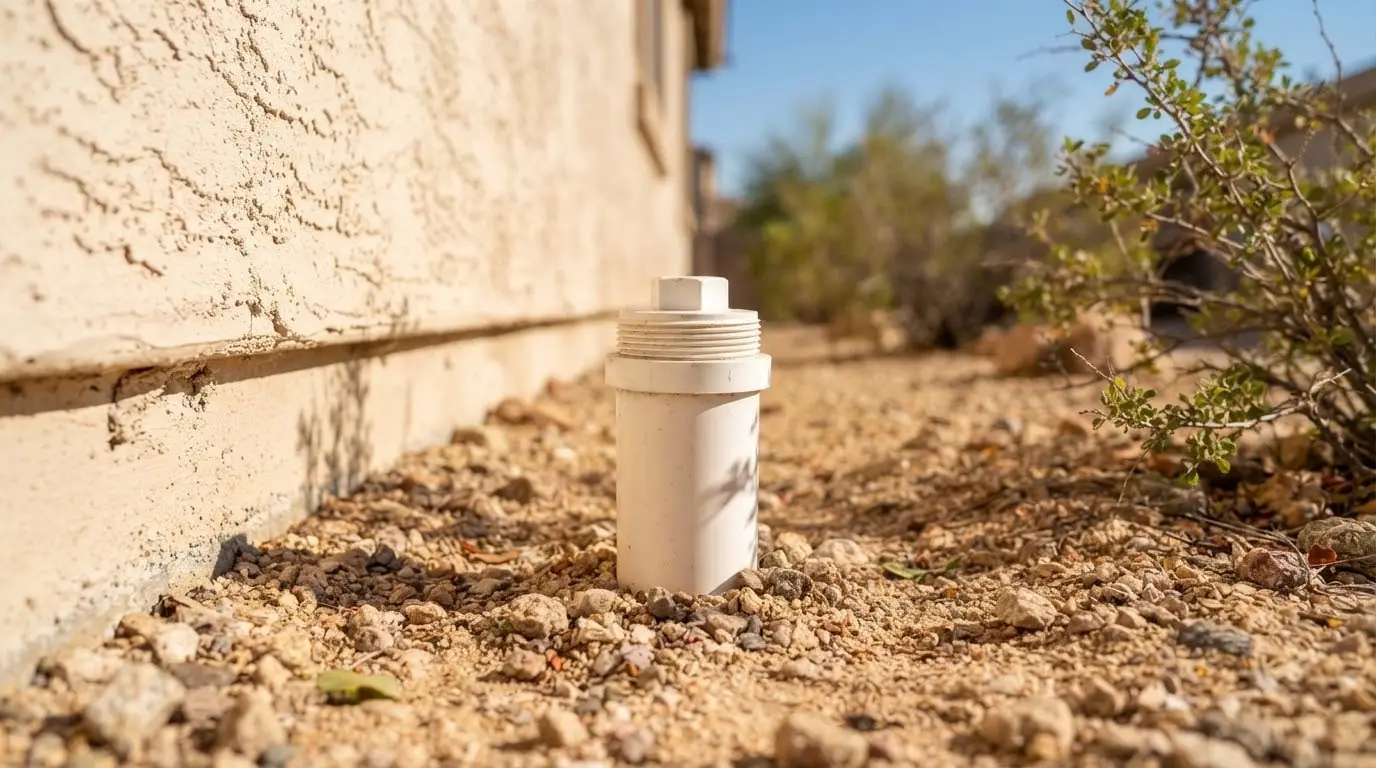
A camera run from the cleanout shows roots, sags and cracks and how far out they sit. In Mesa, the line from your house to the city main is yours to fix.
More services
Handling the rest of the plumbing
- Emergency and burst pipesWater through a ceiling, a split supply line under a sink, a hose bib snapped off by a mower. Close the main, then call so the break gets stopped at the pipe.
- Tankless conversionGoing tankless means a bigger gas line, new venting and, in Mesa, a permit. On East Valley water it also needs a plan for scale from day one.
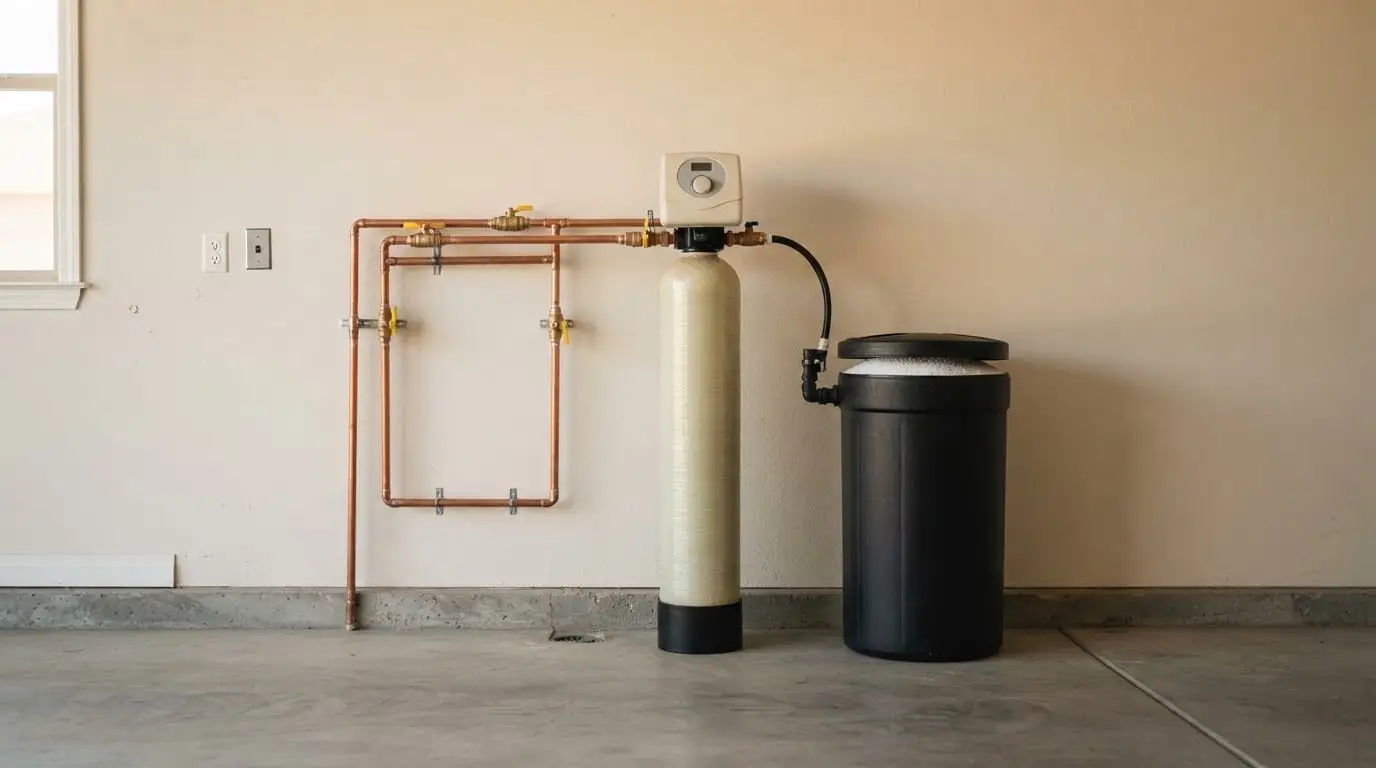
- Water softener installationMesa water runs about 12 to 16 grains per gallon depending on the zone you live in. A softener sized to the house protects the tank and every fixture after it.
- Drain cleaning and hydro jettingOne slow sink is a snake job. Several drains gurgling at once points to the main line, where a jetter and a camera do the real work.
- Sewer line replacementWhen the camera finds a collapsed or root-packed line, it comes down to open trench or trenchless. Depth, the yard and what sits over the pipe decide it.
- Gas line installation and repairNew lines for a range, dryer, grill or tankless heater, and repairs past the meter. If you smell gas, get everyone out first and call 911 from outside.
The visit
From the call to a tested repair
You describe it
Where the water is, how old the house is, whether the main is closed. How urgent it is comes first.
We set a time
We set a time with a licensed, insured plumber who works your side of the Valley.
You see the price
The problem gets found before it gets priced, and you have the price in writing. You only pay for work you agreed to.
It gets tested
Pressure test on water lines, a run of water down the drains, a leak check on gas. Then the water goes back on.
- 16 gpg
- Water hardness in east and south Mesa, by the city's 2025 report
- 105°F
- Normal August high, the heat a garage water heater sits in
- Jun 15
- First day of monsoon season, when yard drains and sewer lines get tested
Symptoms
Reading the symptom before you call
What you see usually points to one part of the house. Here's where each common sign tends to lead.
- A warm spot on the tile you can feel through your socksA hot-water line leaking under the slab
- The meter dial keeps creeping with every faucet offA leak somewhere after the meter: slab, wall, yard line or a running toilet
- Pinhole drips from copper in a wall or the garageCopper that is wearing through from the inside
- A rumble or pop when the water heater firesScale built up in the bottom of the tank
- Water pooling under the tankA failed tank or a weeping relief valve
- Toilets gurgle when the washer drains, tub backs upA clog or roots in the main sewer line
- White crust on faucets and spotting on glassHard water, around 12 to 16 grains in most of Mesa
- A rotten-egg smell near the range or water heaterA possible gas leak. Leave the house, then call 911 from outside
Seeing more than one of these at once? Say so on the call, since a warm floor plus a creeping meter points somewhere different from a creeping meter alone.
Call (480) 555-0142Areas
Checking your part of the Valley
- Mesa
- Older central neighborhoods, Dobson Ranch from the 1970s through the 1990s, and newer builds out east in Eastmark. Water hardness depends on the zone: around 12 grains per gallon in the City Zone and 16 in the Eastern and Southern zones.
- Gilbert and Higley
- Gilbert went from about 29,000 people in 1990 to more than 208,000 in 2010, so a lot of the town's houses went up in those two decades. A house from the early 1990s has water lines past 30 years old.
- Chandler
- Nearly built out, so the plumbing work here is on houses that already stand, with pipes and tanks that keep getting older. The city puts its average hardness at 16.5 grains per gallon.
- Tempe
- Tempe water comes from the Salt and Verde rivers and the CAP canal, with wells as backup. The city notes the Verde side runs harder, which is why scale shows up on fixtures even in newer homes.
- Scottsdale and Paradise Valley
- Scottsdale water runs 13 to 17 grains depending on the area. Paradise Valley homes can be on any of four water providers, so the address matters.
- Fountain Hills, Rio Verde and Fort McDowell
- Fountain Hills water comes from EPCOR, a private utility, and tests around 16 grains per gallon. Hillside lots mean sewer and water lines often run at a steep grade to the street.
Guides
Reading a plumbing price before the visit
- Cost guide
What a slab leak repair costs in Mesa
Finding the leak, reaching the pipe and putting the floor back, line by line.
Read the guide - Cost guide
Pricing a whole-house repipe
Fixture count, attic access, PEX or copper and the drywall work.
Read the guide - Cost guide
Water heater replacement cost
Tank size and fuel, venting, code items and the SRP heat pump rebate.
Read the guide
Plumbing questions from Mesa homeowners
Do I need a permit to replace a water heater in Mesa?
Not for a like-for-like swap. Mesa's residential construction FAQ says replacing a gas or electric water heater with one of equal or lesser rating doesn't need a permit. Switching from a gas tank to tankless does, and the gas utility has to be told before the work starts.
Why do water heaters wear out so fast here?
Hard water. Minerals settle in the bottom of the tank, the burner works harder to heat through the crust, and the anode rod gets used up sooner. Rheem says scale can cut heating efficiency by up to 30%. Flushing twice a year and checking the anode slows it down.
Who fixes the sewer line between my house and the street?
In Mesa, you do. The city's wastewater rules make the property owner responsible for cleaning and repairing the lateral, the pipe from the house out to the city main. The city looks after the main itself, usually under the street.
Can a slab leak be fixed without breaking up the floor?
Often, yes. The leaking line gets capped at both ends under the slab and replaced with a new run through the attic and down a wall. On a post-tension slab that is usually the safer route, since cutting a tensioned cable is dangerous.
What hardness should I set my softener to in Mesa?
Start with your zone. Mesa's 2025 water quality report puts the City Zone, which gets mostly SRP river water, around 12 grains per gallon and the Eastern and Southern zones, which get mostly CAP water, around 16. The city suggests setting softeners at 16 and adjusting from there.
Not sure whether it's a slab leak?
The visit starts at the water meter, then the hot and cold sides get checked one at a time, so you know where the leak is before any repair gets priced.
Call (480) 555-0142