Why slab leak prices vary so much
There’s no flat price for a slab leak, because two leaks a few feet apart can need very different repairs. When you call Mesa Rooter Works about a slab leak in Mesa or the East Valley, a licensed, insured plumber finds the leak first and prices it after. Each line on that written price comes from one of the parts below.
Three things set most of it: finding the leak, getting to the pipe, and putting the house back together afterward. A fourth, the condition of the rest of the plumbing, decides whether the repair is a single spot or something bigger.
Slab leak detection cost
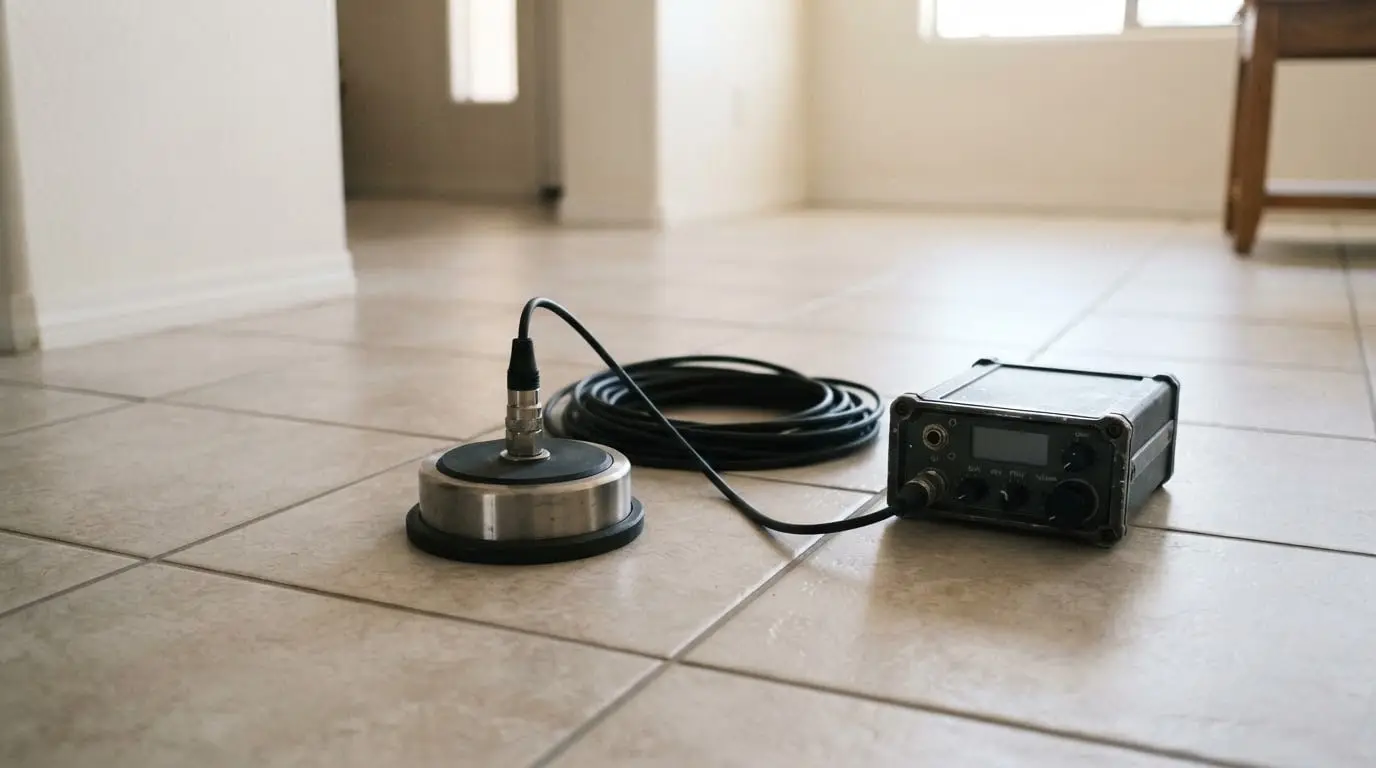
Detection is usually priced on its own, before any repair. It covers confirming the leak at the meter, splitting hot from cold, pressure-testing the side that’s losing water, and pinpointing the spot with acoustic equipment, thermal imaging and line tracing.
What moves the detection price:
- How quiet the leak is. A loud hiss under bare tile is quick to find. A slow seep under thick carpet and pad takes longer.
- How many lines run under the slab. Some houses have a simple trunk line, others have long branches to every bathroom.
- Whether there’s more than one leak. It happens, especially in older copper.
- Access. Furniture, built-ins and cabinets over the line slow the listening work.
A pinpointed leak keeps the next part small, because the floor gets opened in one spot instead of several.
Reaching the pipe: spot repair or reroute
This is the biggest swing in the price.
Spot repair through the floor
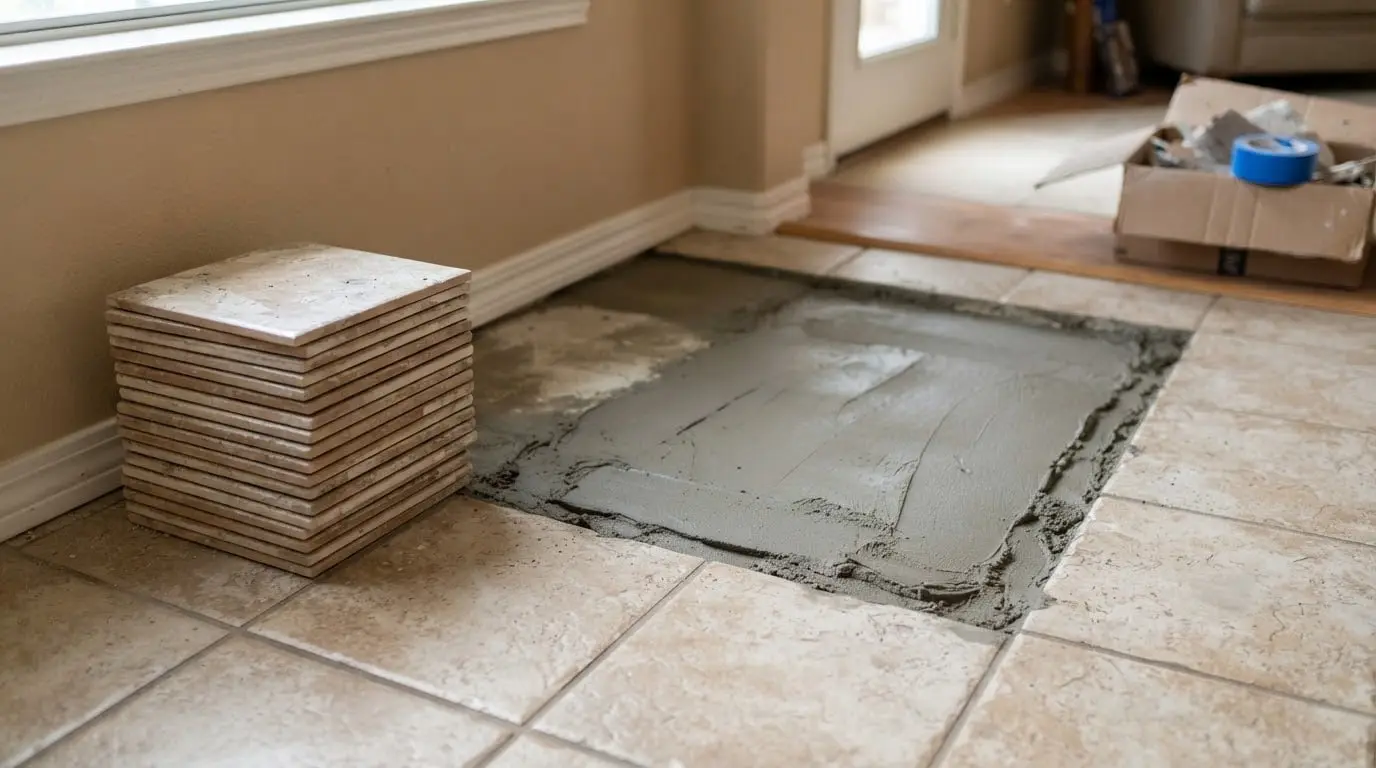
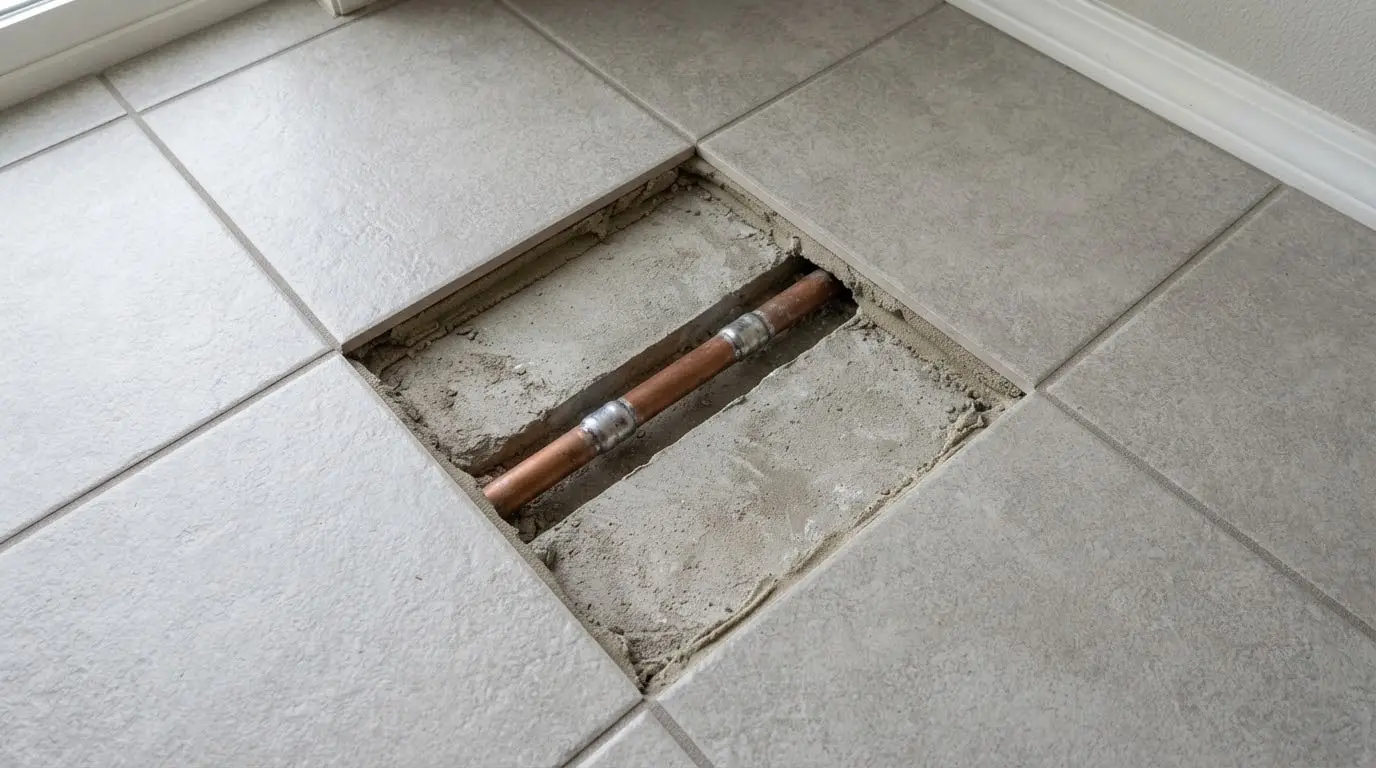
The floor gets opened over the leak, the concrete gets broken out, the bad section gets replaced, and the hole gets filled and patched. The price moves with:
- What’s on the floor. Carpet comes back up and goes back down easily. Tile has to be broken, and matching tile years later is hard to find. Hardwood or engineered floors may need a section relaid.
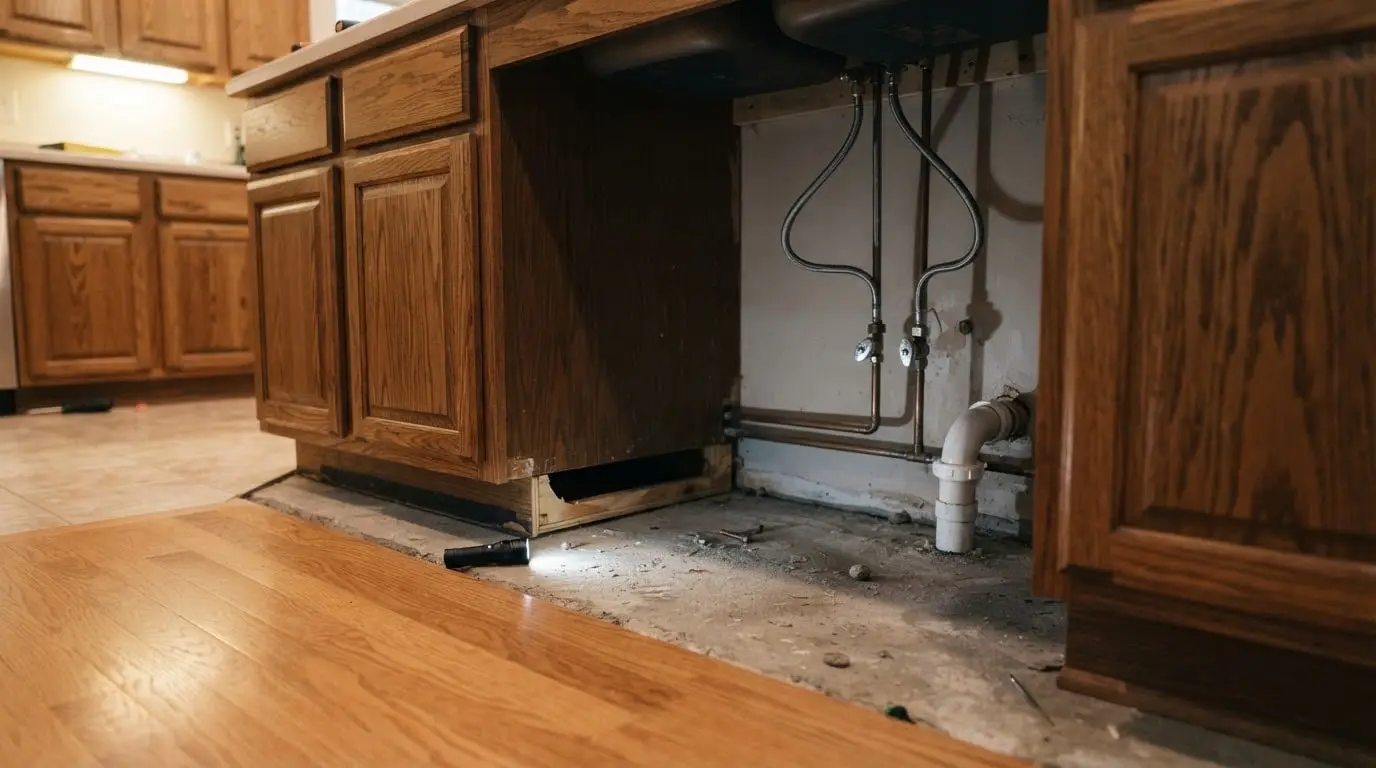
- What’s above the spot. A leak under kitchen cabinets or a built-in shower base means removing and resetting them, or rerouting instead.
- The slab itself. On a post-tension slab, cables have to be located before any cutting, which is one reason a reroute is often the choice on these slabs.
Reroute through the attic
The leaking line gets capped under the slab and a new line runs overhead and down a wall. The price moves with:
- Length of the run. A reroute to one bathroom near the water heater is a short job. A run across a long single-story house to a far bathroom is a longer one.
- Attic access and height. A tall attic with a good hatch is quick to work in. A low-pitch roof with tight space slows everything down, especially in summer heat.
- Stories. A two-story house can mean dropping a line through a floor or running it in an exterior wall.
- How many fixtures the line fed. Each one needs a drop and a tie-in.
Putting the house back together
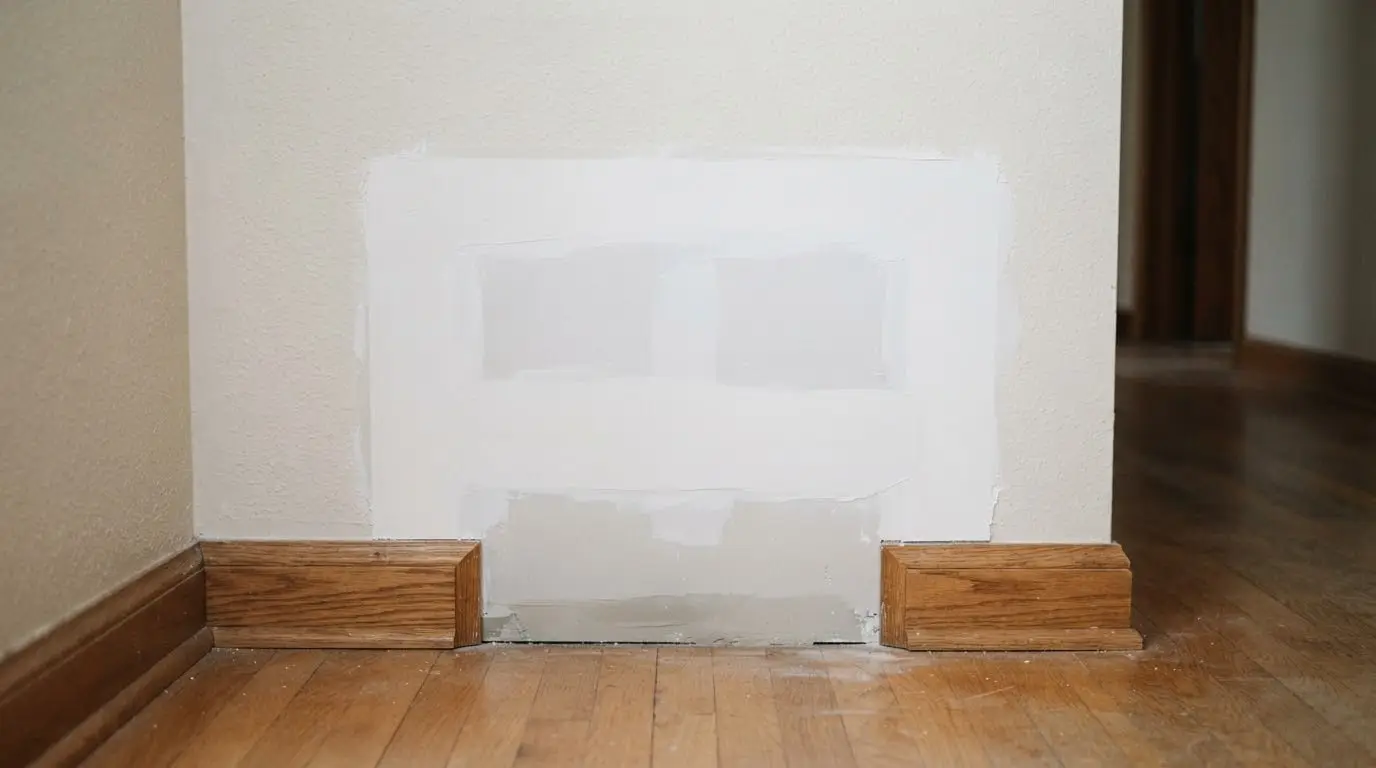
The repair line often isn’t the last one on the price. These come up regularly:
- Concrete patch and flooring after a spot repair, priced separately when tile or wood needs work.
- Drywall after a reroute: patching and texture at each opening, sometimes paint.
- Drying, if the leak ran long enough to soak the slab, the pad or the bottom of cabinets.
- Permit and inspection, when the work replaces or relocates supply pipe. Chandler’s homeowner permit manual, for example, keeps that work off its exempt list.
That's settled on the visit, once the leak is found. The written price shows each part on its own line.
Labor on a slab leak job
Hours are a big share of the price, and detection gear adds to them; the repipe cost guide explains what goes into a plumber’s hourly rate.
When a bigger job costs less over time
Spot repairs add up when the leaks keep coming. If the house has had one leak already, or the copper you can see at the water heater is pitted and green, the same line is likely to leak again in another spot. Each spot repair means another detection, another opening and another patch.
Rerouting the whole hot side, or repiping the house, retires every old line under the slab at once. It costs more up front and ends the cycle. The repipe cost guide covers what sets that price.
Reading the written price
A clear slab leak price usually breaks out:
- detection, and what it found
- the repair method: spot repair or reroute, and which fixtures the reroute serves
- pipe material for the new section or line
- concrete and flooring work, if any
- drywall patch, texture and paint, if any
- permit and inspection, if required
- the pressure test at the end
If a line is missing, ask about it before saying yes. You only pay for work you agreed to, so the written price is the place to settle what’s in and what isn’t. For how the repair itself goes, see slab leak repair.