The parts of a water heater price
A water heater replacement in Mesa comes down to a handful of things, and the tank itself is only one of them. Mesa Rooter Works sets up water heater replacements across Mesa and the East Valley with a licensed, insured plumber who prices the job after looking at the old setup. The parts below are what move that number.
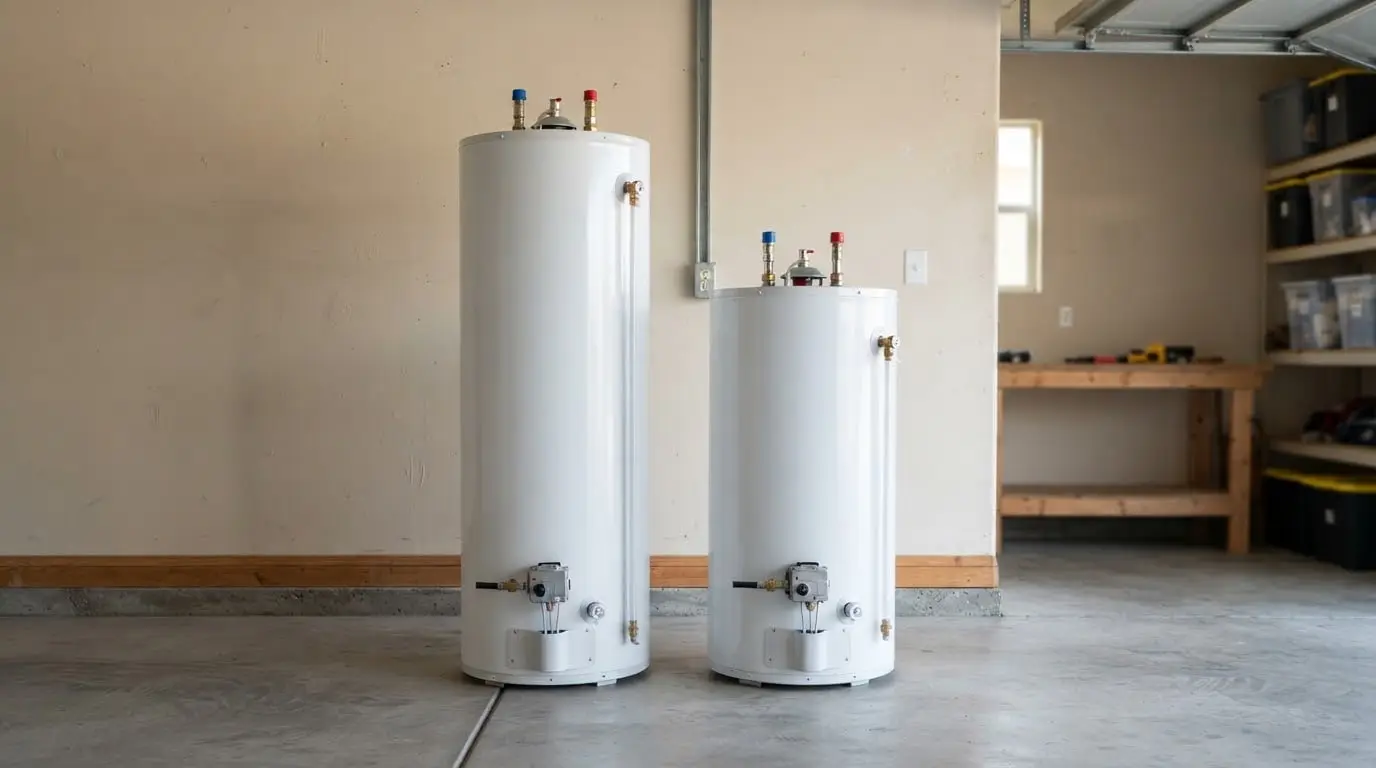
The heater. Size, fuel and efficiency set the base. A standard 40 or 50-gallon gas or electric tank sits at one end. High-efficiency gas tanks, heat pump units and tankless heaters sit higher. Warranty length moves it too: the same size tank often comes in a shorter and a longer warranty version, and the longer one costs more.
The labor. Draining and removing the old tank, setting the new one, connecting water and gas or power, and testing. On a straight swap in an open garage, this is the smallest part of the job to vary.
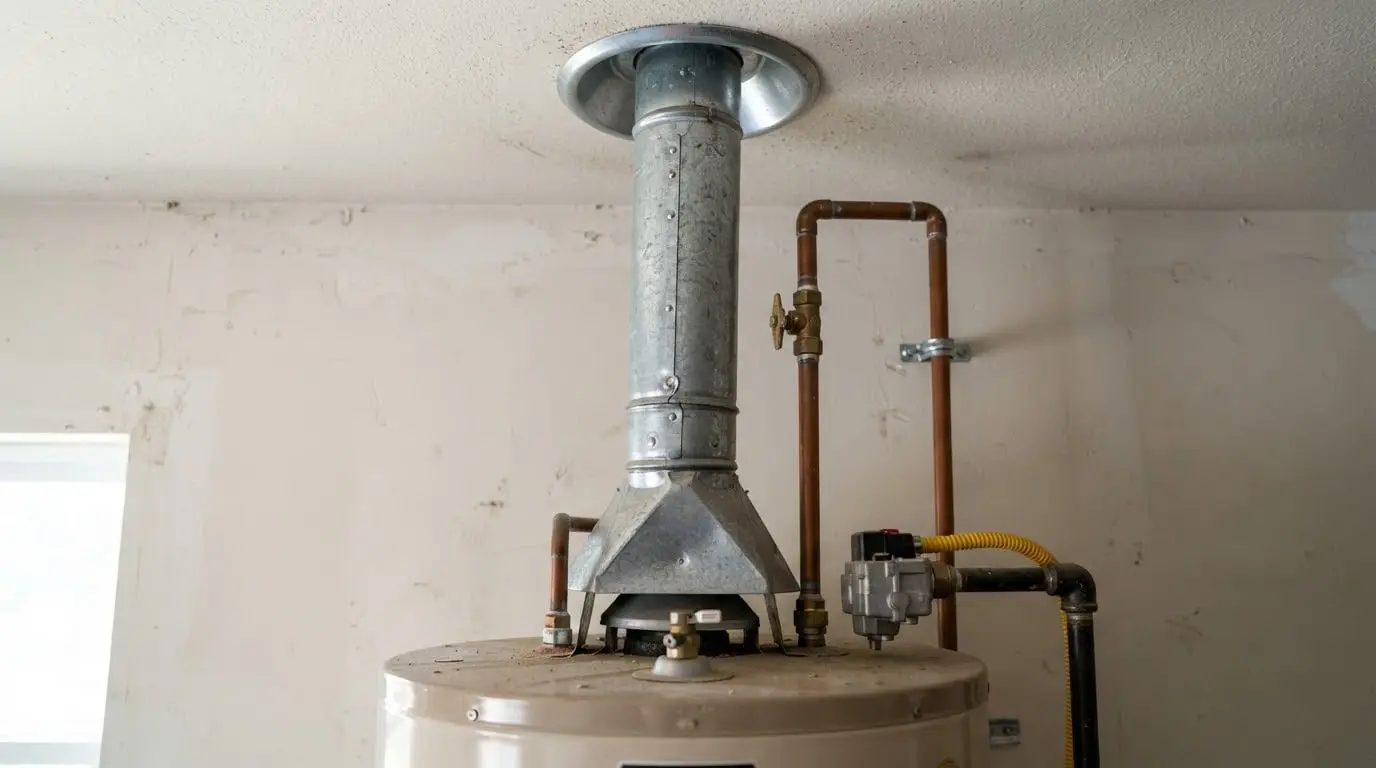
Venting. A gas tank’s flue has to be the right size and pitch for the new heater. A taller or wider tank, or a higher-efficiency unit, can mean new vent pipe. Power-vent and condensing models use a different vent altogether.
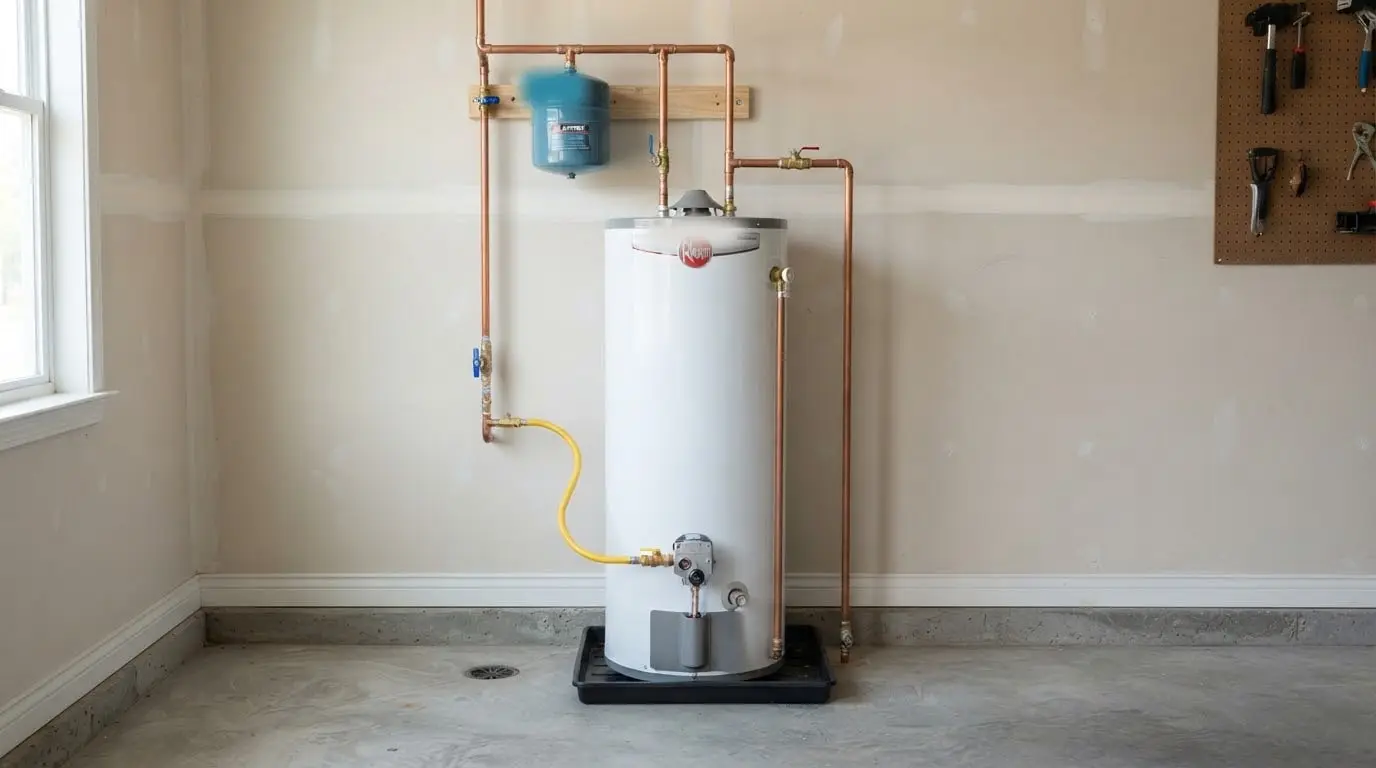
Code updates. Older installs often fall short of what’s required today, and a new heater has to meet current code. The usual items:
- a new temperature and pressure relief valve with a discharge pipe run to a safe spot
- a sediment trap on the gas line, plus a new flexible gas connector and shutoff
- an expansion tank on the cold line where the house has a pressure regulator or check valve
- a drain pan and drain line for closets, attics and anywhere a leak would do damage
Access. A tank on the garage floor with a clear path to the door is the simplest. Attics, closets and tight alcoves take longer and sometimes need two people.
Haul-away. The old tank has to be drained and taken out. That should show up on the price as its own line.
Keeping it the same versus changing things
The cheapest replacement is the one that changes the least: same fuel, same spot, same size or close to it. Mesa’s residential construction FAQ says replacing a gas or electric water heater with one of equal or lesser rating doesn’t need a permit, which keeps a like-for-like job simple.
Every change adds work. Moving the heater means new water lines and often a new vent or gas run. Going from electric to gas means a gas line and a vent where there were none. Going from gas to a heat pump means a dedicated electrical circuit. Going from a tank to a gas tankless needs a permit in Mesa and usually a bigger gas line, and the tankless page covers that job on its own.
Ask about it on the call so the visit looks at the gas, power and vent options for each, and the price covers the one you pick.
Heat pump water heaters and the SRP rebate
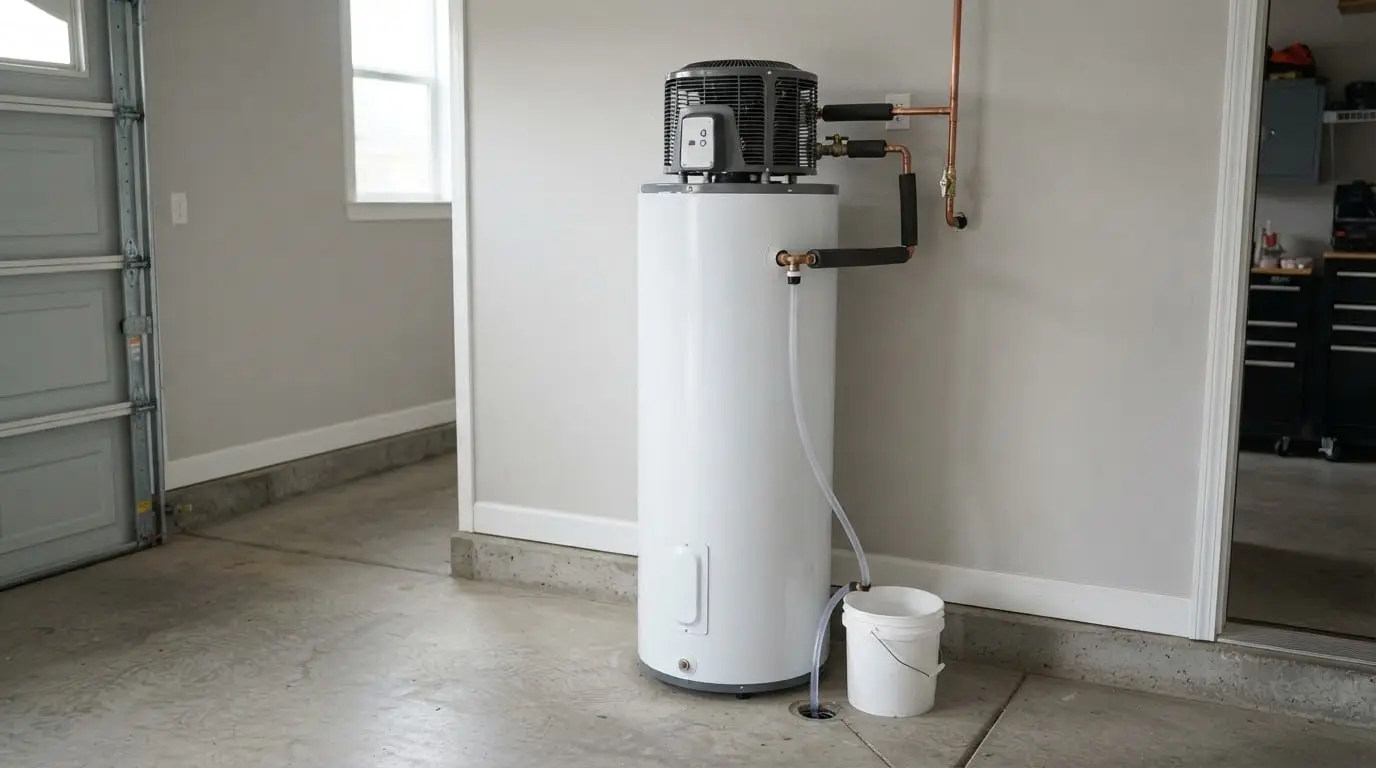
A heat pump water heater moves heat from the air around it into the water, the way an air conditioner works in reverse. The Department of Energy says they’re two to three times as efficient as a standard electric tank, which is why utilities pay people to put them in.
SRP offers a $500 rebate on a heat pump water heater for its customers, through April 30, 2027. The unit has to be ENERGY STAR certified with a rating of at least 2.8, it has to be installed by an Arizona-licensed residential plumbing contractor, new construction doesn’t qualify, and it’s one per customer every ten years. Utility terms change, so the plumber confirms the current ones when pricing a heat pump unit.
The City of Mesa gas rebate
If your natural gas comes from the City of Mesa’s own gas utility, the city offers a $25 rebate on a new gas tank water heater of 30 gallons or more. Southwest Gas customers aren’t eligible for it. It’s small, but it’s worth the form if you qualify.
Ways to keep the price down
These keep the price down:
- Replace before it fails. A planned swap avoids an urgent visit and any water damage cleanup from a burst tank.
- Stay with what you have where it makes sense: same fuel, same location, similar size.
- Clear the area. A clear path from the tank to the garage door saves time on the day.
- Fix the code items once. An expansion tank or a properly run relief line installed now carries over to the next heater.
- Keep up with flushing. On East Valley water, a tank that gets flushed and has its anode checked lasts longer, which spreads the cost of the next one over more years. The water heater repair page covers the schedule.
What to look for on the written price
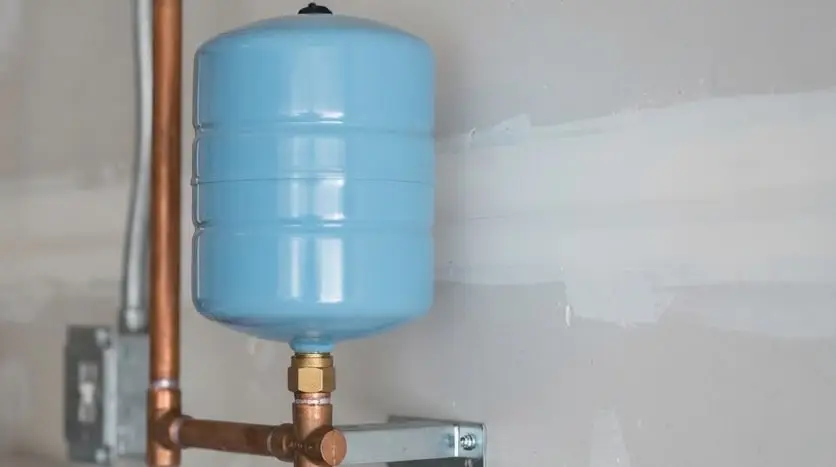
A clear water heater price lists the heater model and size, the labor, and each code or venting item on its own line, plus the haul-away. If the house needs an expansion tank, a new vent or a gas line change, you’ll see why before you agree to it. You only pay for work you agreed to, and the work gets tested, from the gas connection to the first hot shower, before the plumber leaves.