Plumbing in Tempe’s postwar neighborhoods
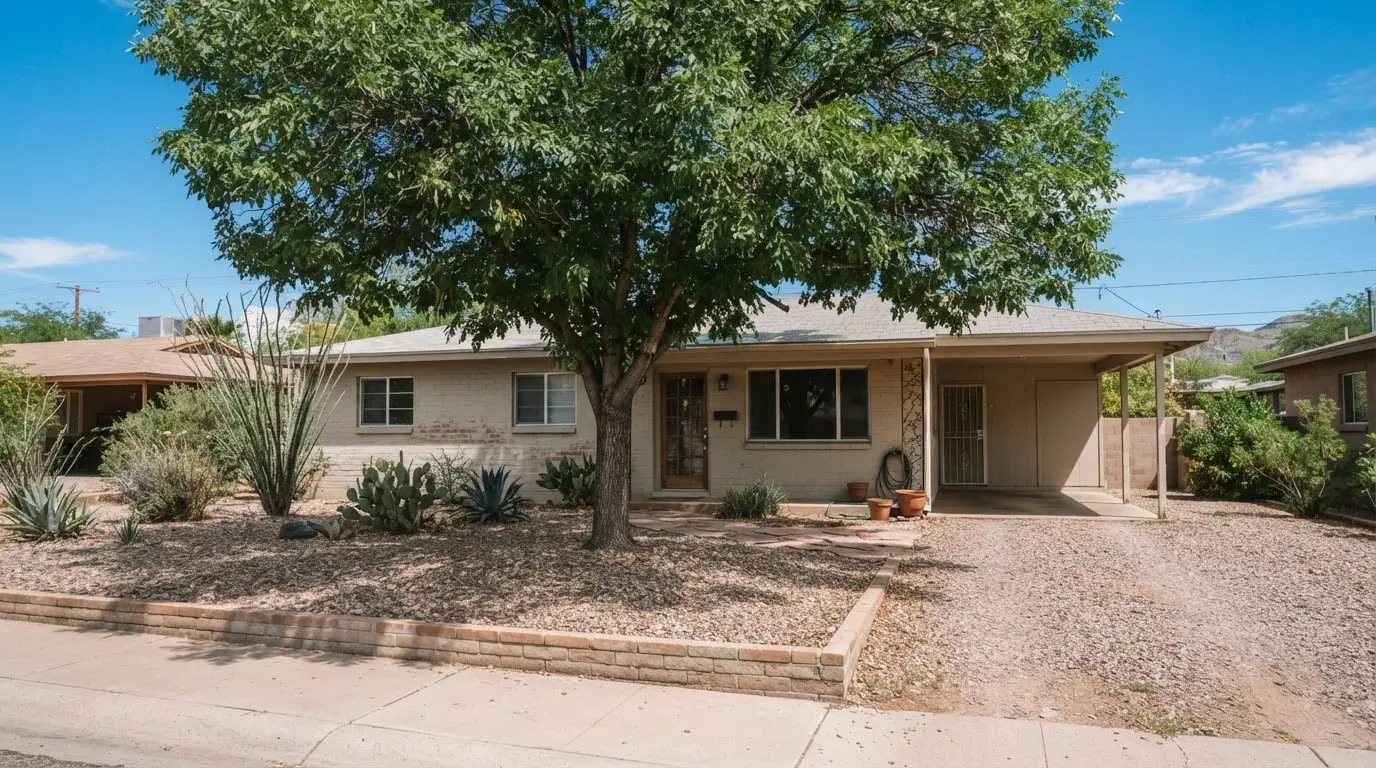
A city historic-preservation study of Tempe surveyed about 4,500 properties built between 1945 and 1960, spread across 62 subdivisions. Those houses are now more than 60 years old, and on many of them some of the original plumbing is still in service. Mesa Rooter Works takes plumbing calls across Tempe, Arizona, and a licensed, insured plumber who works here starts by finding out which parts are original and which have been replaced.
Newer homes farther south have a different set of problems. A house from the 1980s and a house from the 1950s can sit a few miles apart in the same city and share almost nothing under the floor.
Old drain lines under old floors
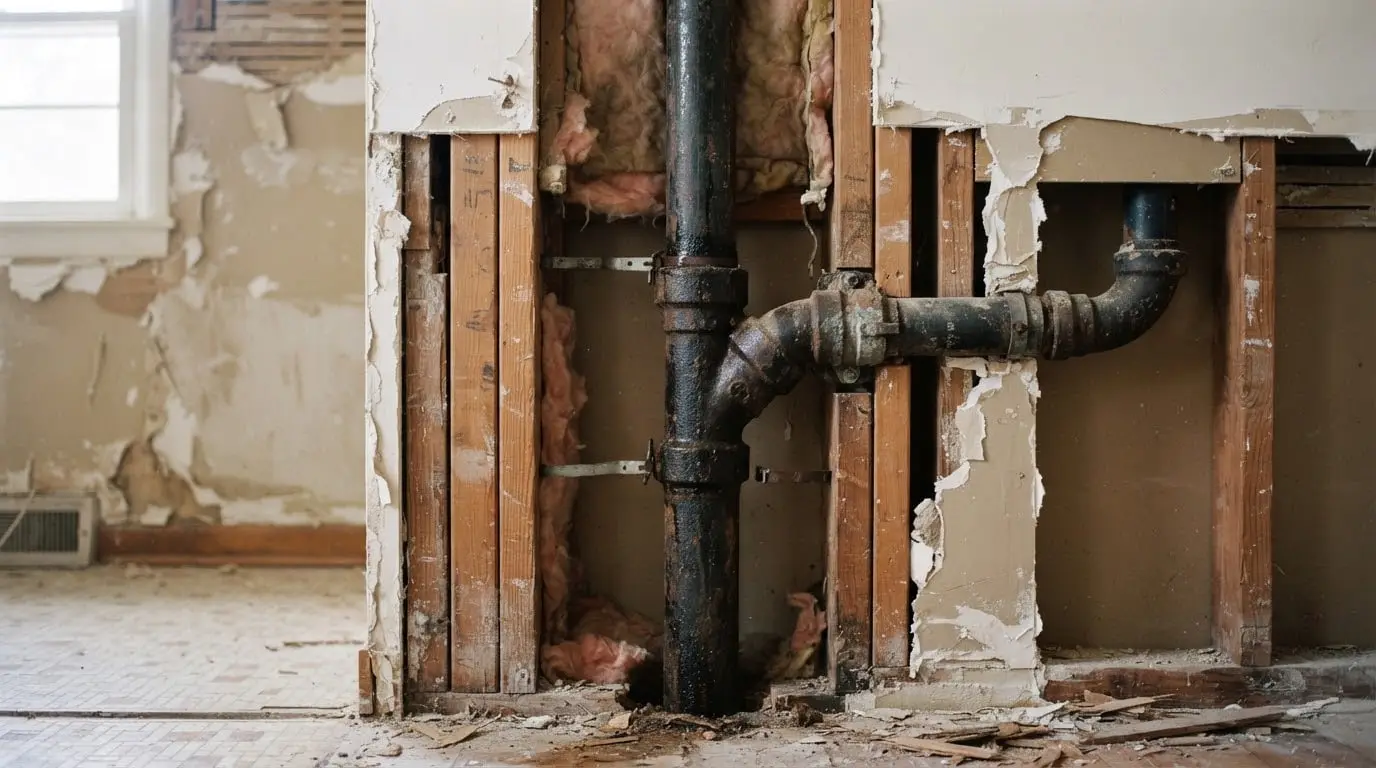
Houses of that era may have cast iron under the slab and clay out to the street. Each fails in its own way. Cast iron scales and rusts from the inside until the pipe narrows, so a drain slows down over years and then clogs without much warning. Clay comes in short sections with many joints, and every joint is a place for a root to get in.
Clearing the line works for a while. If the same drain needs it twice in a year, the next step is a camera inspection, because the video shows scale, a root at a joint or a collapsed section. Older cast iron can be damaged by full-pressure jetting, so the plumber usually looks first and then picks the tool. The drain cleaning page covers cable and jetter in detail.
That's the point where a camera tells you more than another cleaning. Say so on the call.
Supply lines that have been patched before
A house this old has usually had some of its plumbing replaced already, and rarely all of it at once. It’s common to find sections of new copper or PEX joined to older pipe, which is where corrosion and pressure problems tend to show up. Low pressure at one end of the house or rusty water at the first draw of the morning are both reasons to have the older lines looked at.
When patches keep adding up, a whole-house repipe replaces the mix with one system, and the supply side stops being a guessing game.
What Tempe’s river water does to fixtures
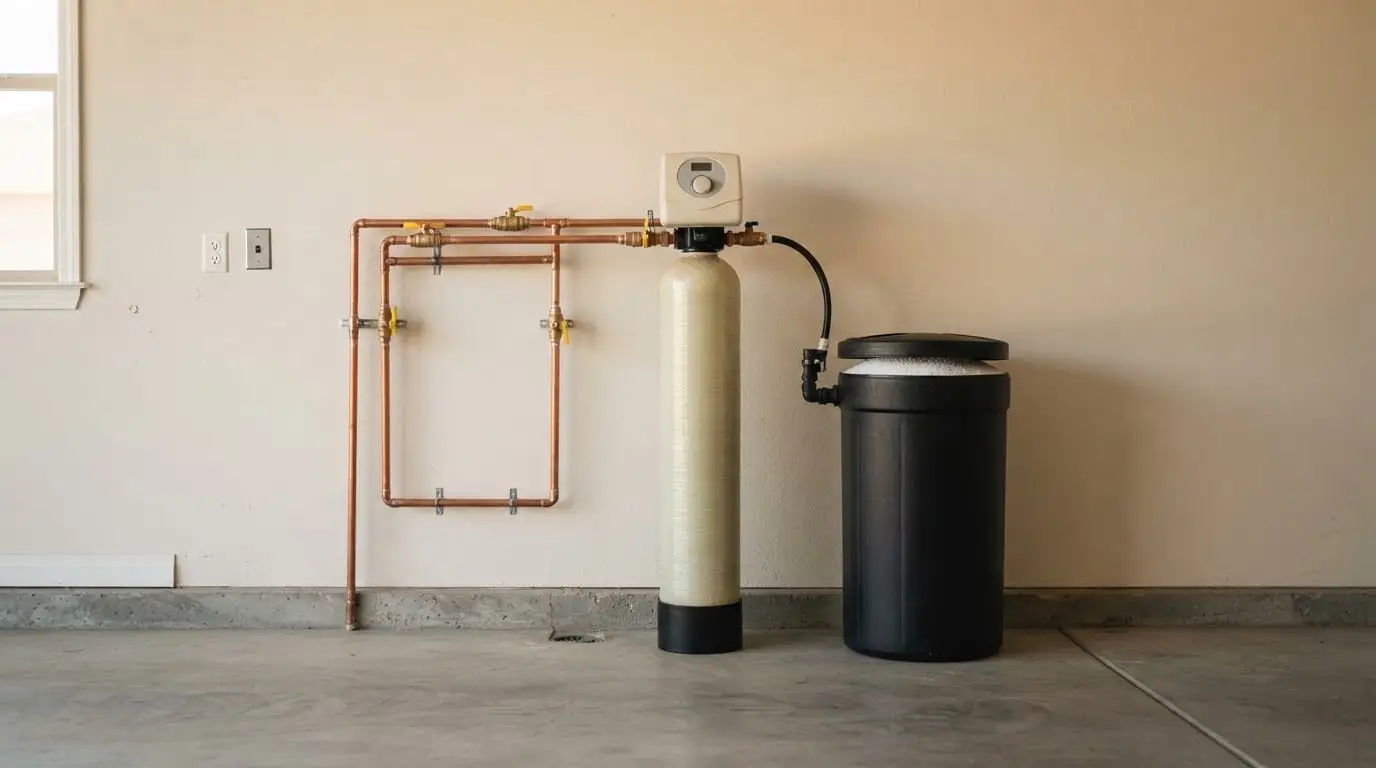
Tempe treats Salt River Project and Central Arizona Project surface water at its Johnny G. Martinez and South Tempe plants, with wells as a supplement. The city notes the Salt River carries more dissolved salts and chlorides, and the Verde carries more hardness.
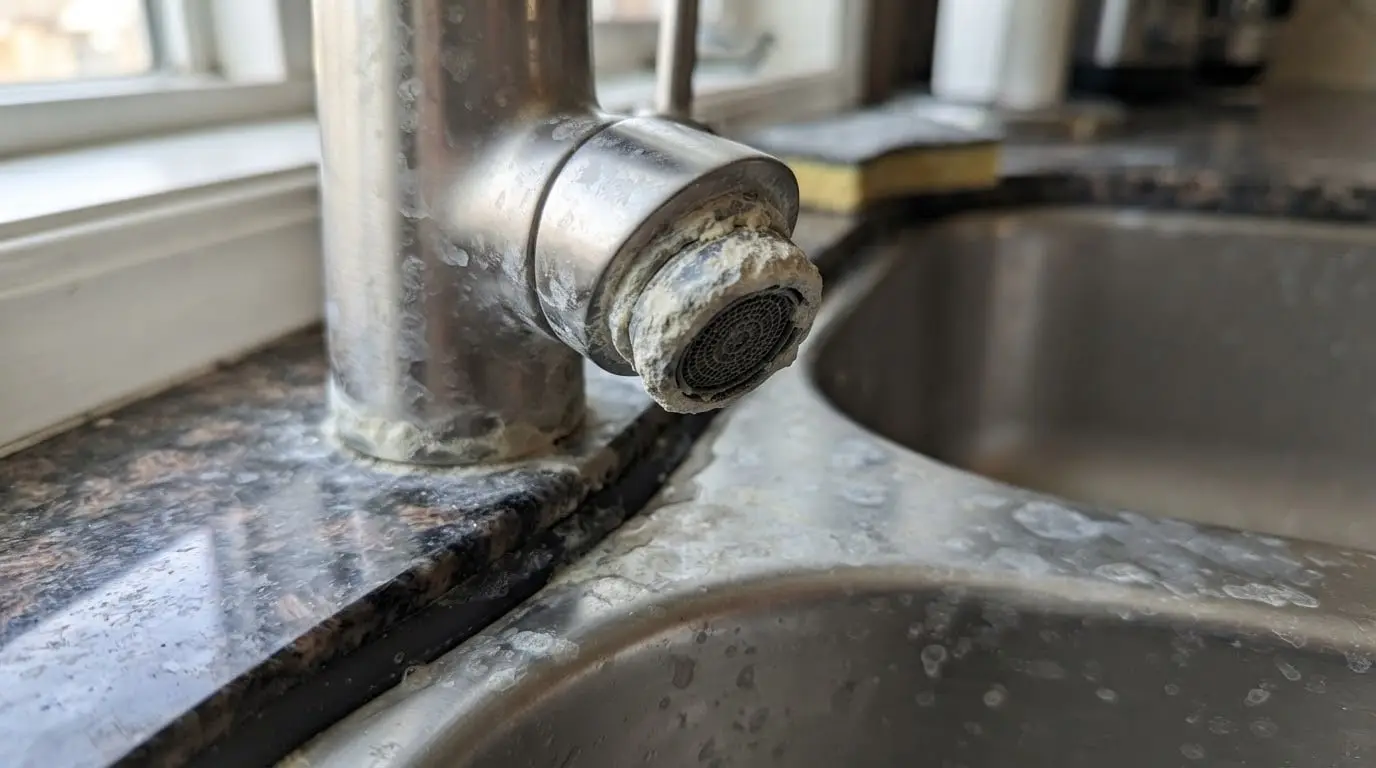
You’ll see that on aerators, shower valves and the inside of a water heater. If faucet cartridges keep failing early or glass comes out of the dishwasher spotted, that’s the water, and a hardness reading at your tap says how much.
Condos, townhomes and tight closets
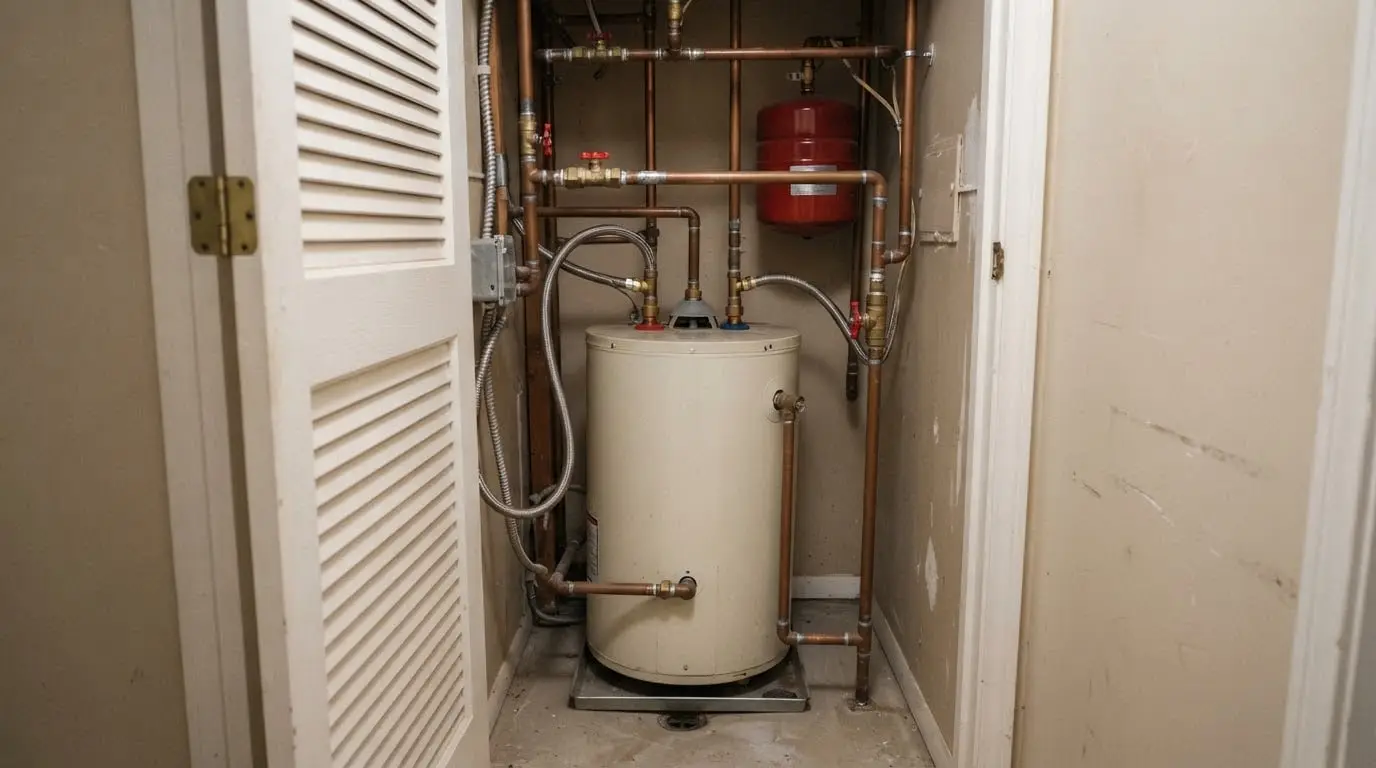
Plenty of Tempe homes are attached units with a water heater tucked in a closet, where a leak reaches the neighbor’s ceiling before it reaches your floor. A drain pan with a working line matters more in those spots, and access can decide how long a swap takes. Say on the call if the tank is in a closet or on an upper floor.
Tempe ZIP codes
Tempe: 85280, 85282, 85283, 85284, 85285, 85287, 85288
To the east and north: plumbing in Mesa and plumbing in Scottsdale. Don’t see your ZIP? Call anyway and we’ll check your address.